Homes That Hear and See Everyone

Step into a future where every room responds kindly and reliably. Today we explore accessibility-centered design for voice- and gesture-controlled homes, turning complex interfaces into welcoming helpers for people with diverse abilities. From clear feedback to forgiving commands, discover practical patterns, honest tradeoffs, and small details that make independence easier. Share your experiences and help shape kinder technology for everyday living.

Start With People, Not Gadgets

Begin by mapping daily routines: morning stretches, medication reminders, nighttime check-ins, unexpected spills, visiting friends. Listen for frustrations and delight, then design commands and gestures that align with natural phrases and comfortable movements. By honoring varied speech, reach, and energy levels, the system feels supportive rather than demanding, adapting to people instead of forcing them to adapt.

Redundancy Without Confusion

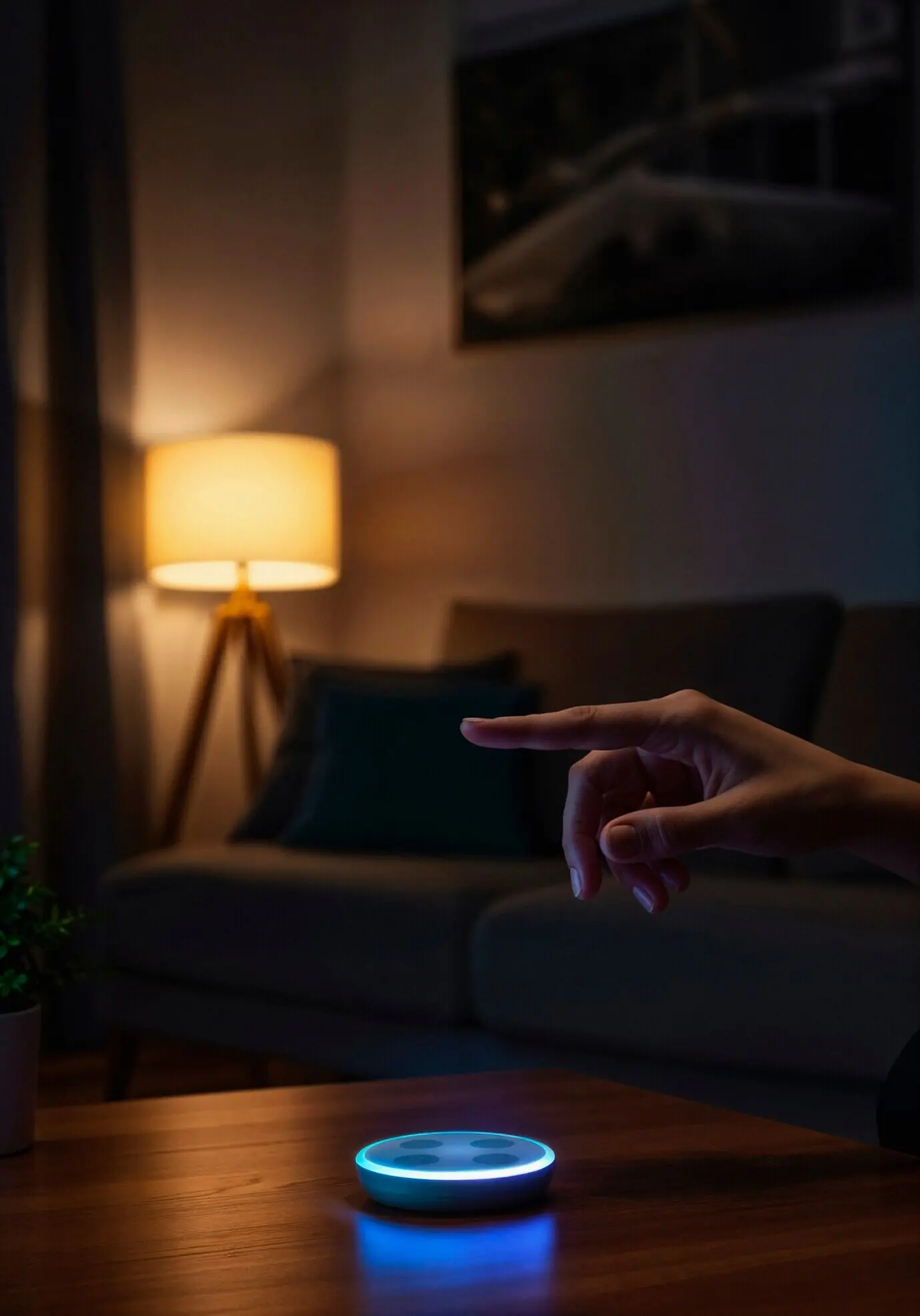
Offer multiple paths to the same result—voice, gesture, buttons—but prioritize clarity. A hallway light might accept a two-finger wave, a simple phrase, or an accessible switch, while always confirming success with gentle sound and soft glow. Thoughtful redundancy protects dignity during fatigue or flare-ups, without overwhelming the household with conflicting cues or unexpected automation.

Voice Interactions That Truly Understand

Good speech experiences respect accents, pacing, and the realities of background noise. Instead of rigid commands, use friendly phrasing, context carryover, and confirmation that never feels infantilizing. Microphone placement, beamforming, and on-device wake words reduce errors and protect privacy. We’ll explore vocabulary strategies, fallback options, and respectful interruptions that keep households in control, even when words come slowly.

Gesture Controls That Feel Natural

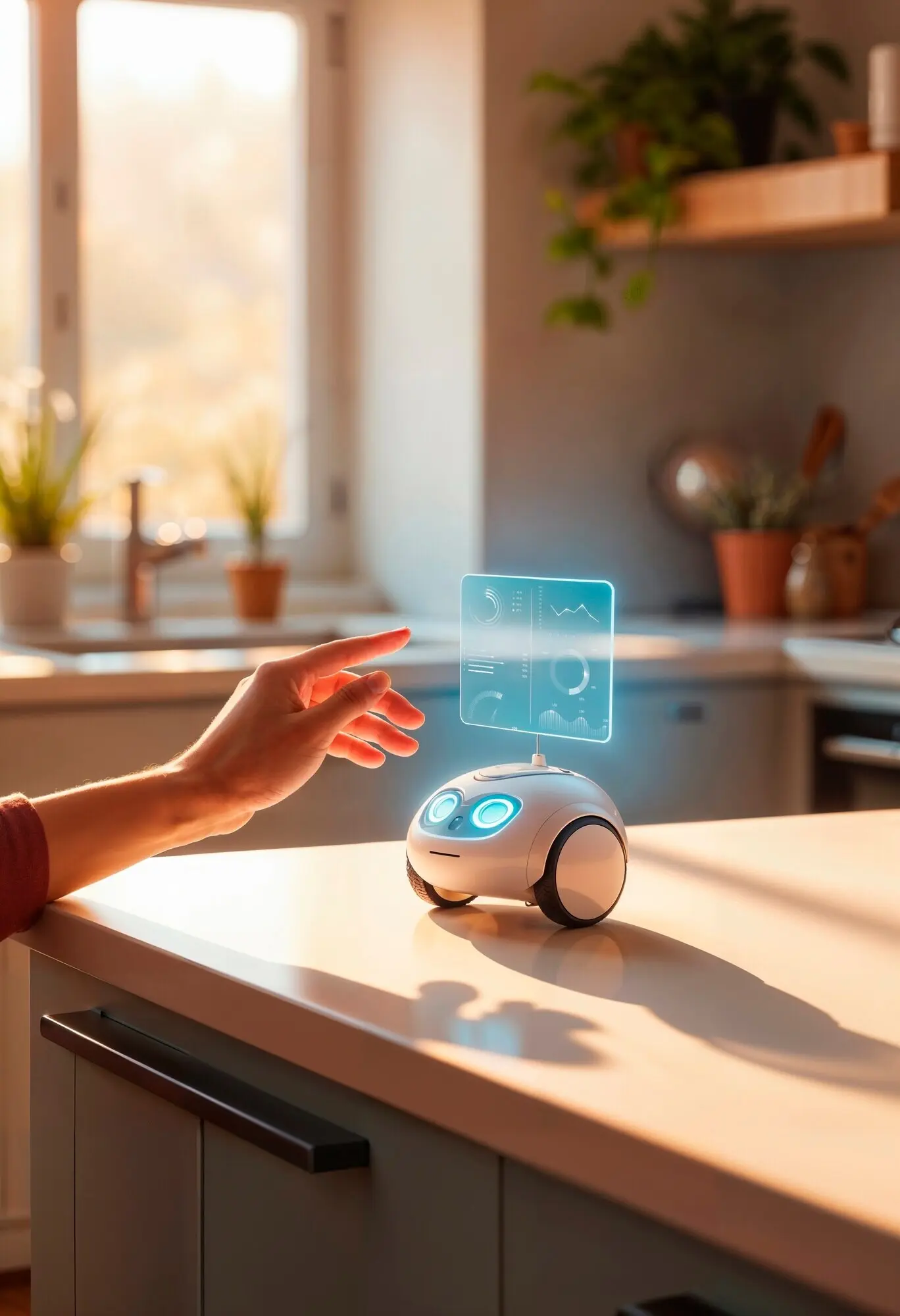
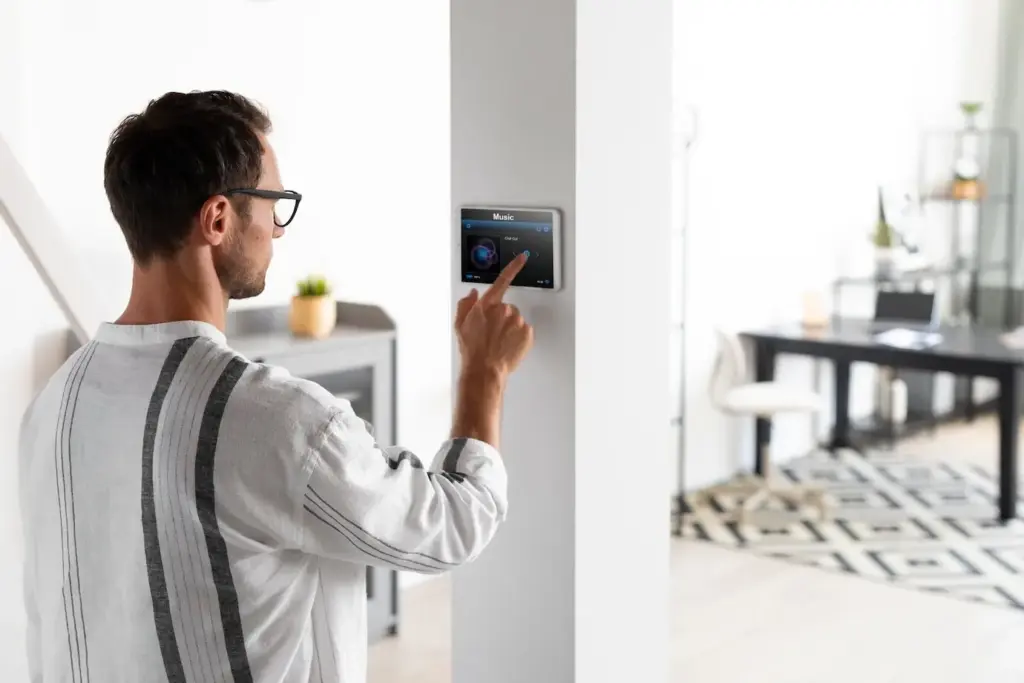
Camera, radar, and wearable inputs can unlock independence when designed for comfort and privacy. Favor low-amplitude movements, seated reach ranges, and one-handed options. Clear teaching moments build confidence, while generous dwell times and confirmation minimize accidental activation. We’ll discuss lighting, background contrast, and culturally aware motions that translate across households without demanding athletic precision.

Haptics and Light For Confirmation

Use soft pulses on wearables or furniture, paired with warm light fades, to confirm actions without demanding attention. Intensity and duration should be configurable, with profiles for migraines or neuropathy. Provide a consistent “success” pattern across devices, so reassurance arrives quickly, even when speech is hard or vision is momentarily limited by glare.

Accessible Soundscapes

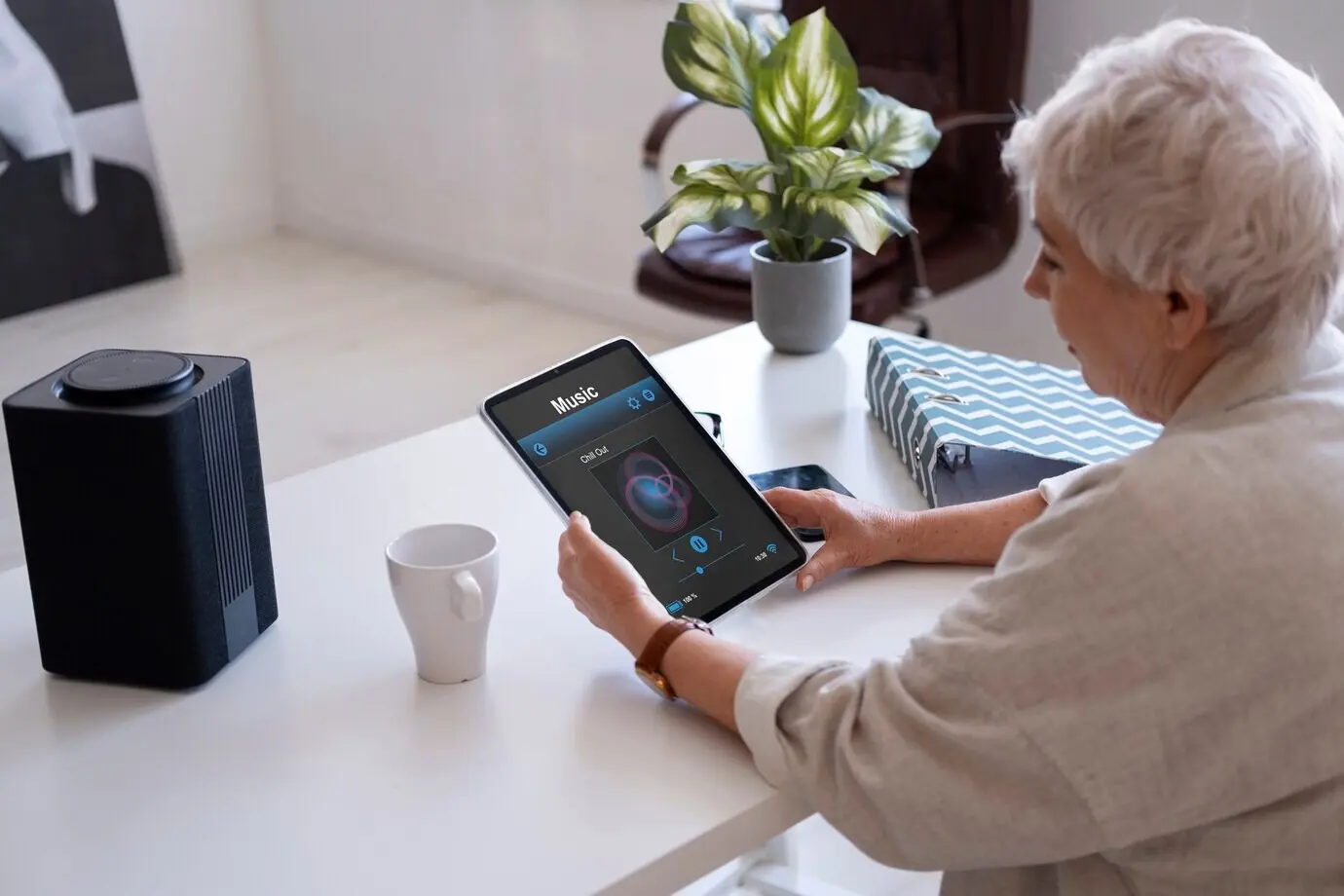
Design notification tones with clear attack, gentle decay, and frequencies considerate of common hearing loss. Provide stereo or spatial cues to indicate location, and never rely on sound alone. Offer transcripts and symbolic icons everywhere. Quiet hours, ducking strategies, and individualized profiles ensure households stay informed without stress, startle, or cognitive overload during busy moments.

Status At a Glance Across Rooms

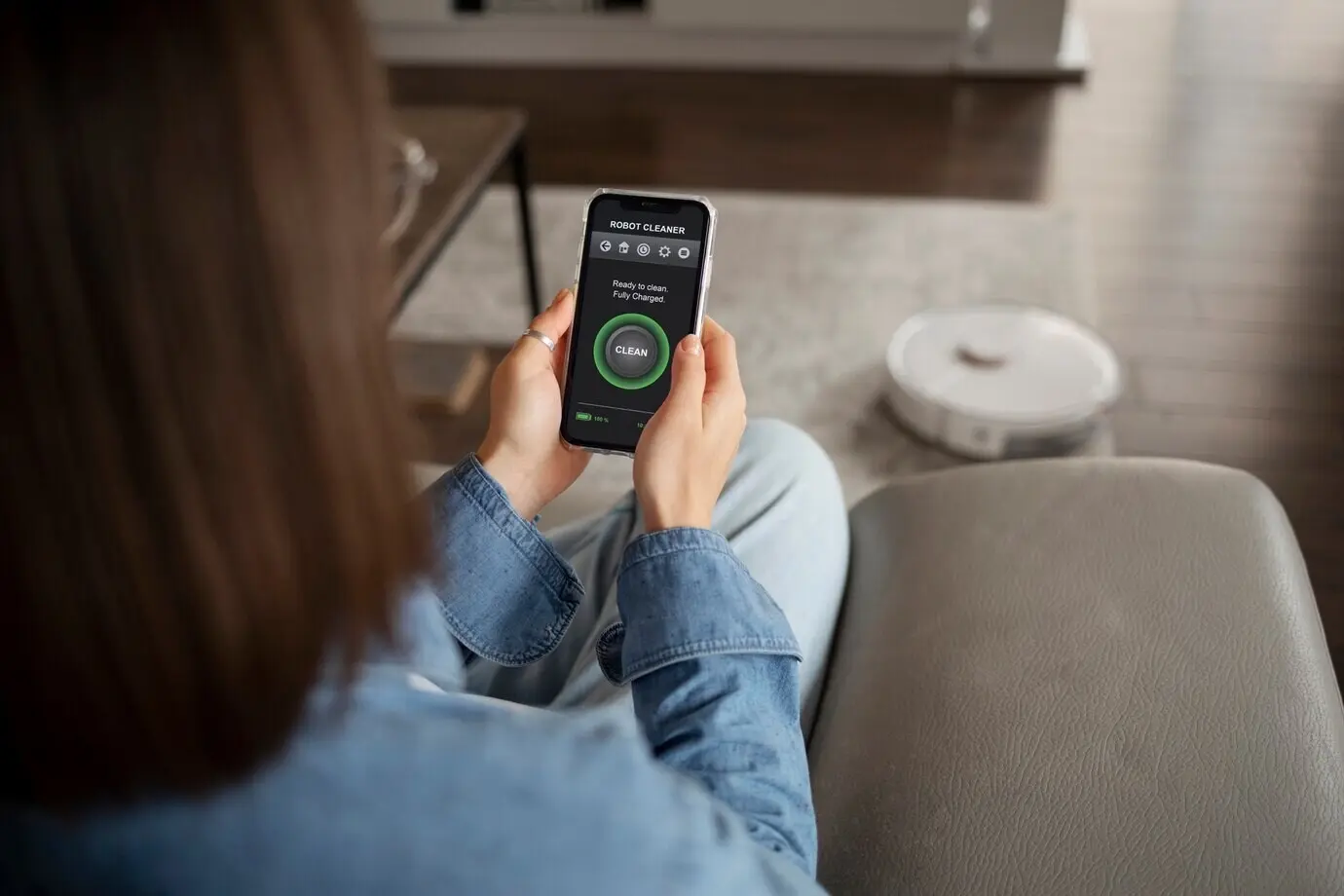
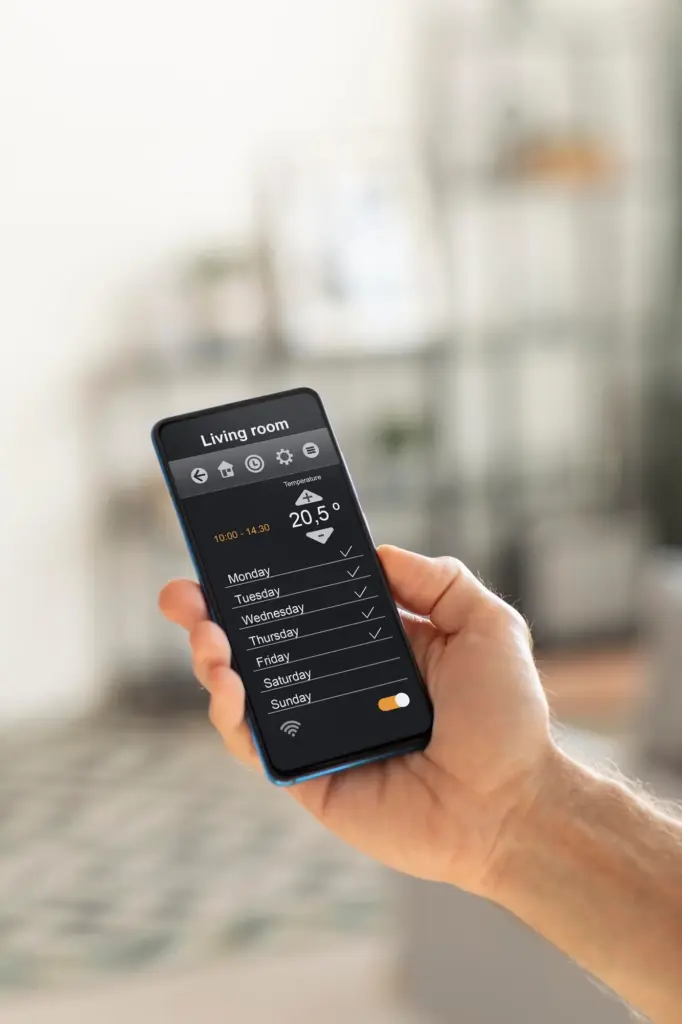
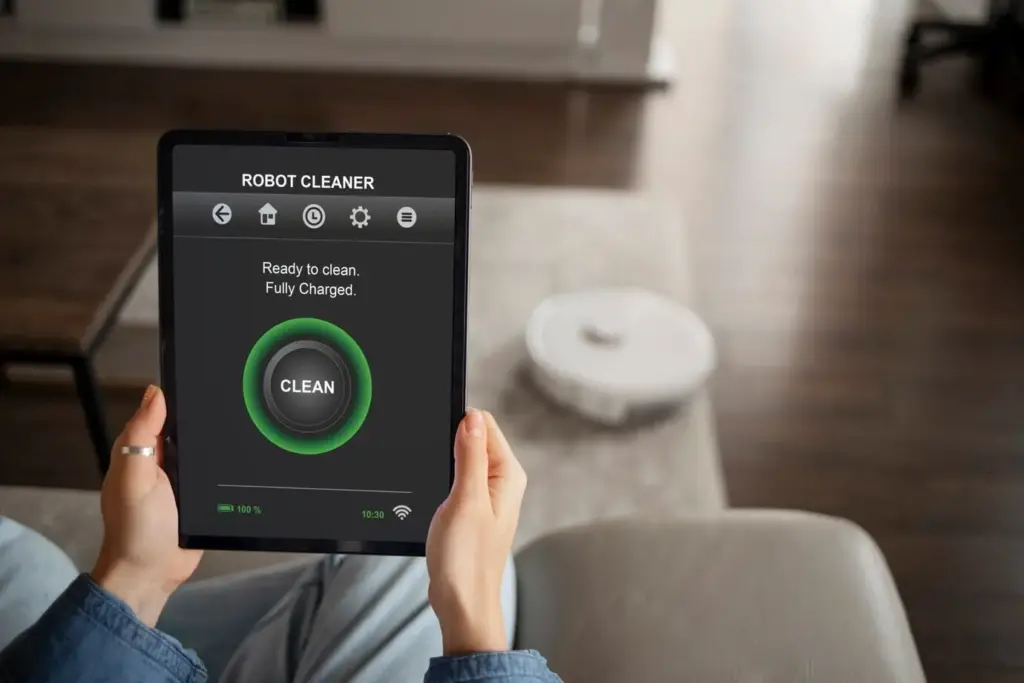
Make the home’s state visible on door frames, appliance strips, and dashboard displays using high-contrast indicators, shapes, and movement, not only color. Ensure screen reader support and large tap targets. Synchronize updates across rooms instantly, so people always know what changed, who triggered it, and how to undo or confirm next steps.

Privacy, Safety, and Trust at Home

Living spaces deserve calm confidence. Favor local processing for wake words and gesture recognition, with transparent logs, clear retention controls, and offline modes. Announce when cameras are active, and provide physical shutters. Safety interlocks should prevent dangerous routines. Trust grows when people can easily see, limit, and revoke permissions without navigating labyrinthine menus or jargon.

Adapting Over Time With Inclusive Testing

Homes are living systems. Calibrate microphones and gesture sensors over days, not minutes, learning patterns across voices, seasons, and mobility changes. Inclusive research with disabled participants reveals gaps early. Track success with humane metrics, celebrate improvement, and keep escape hatches visible. Iteration feels respectful when people witness their feedback directly shaping future updates.
Zotevolunova
Privacy Overview

This website uses cookies so that we can provide you with the best user experience possible. Cookie information is stored in your browser and performs functions such as recognising you when you return to our website and helping our team to understand which sections of the website you find most interesting and useful.