Speak, Don’t Tap: Crafting Voice-First Home Automation Workflows

Today we dive into designing voice-first home automation workflows, exploring how intents, context, and nonverbal confirmations shape delightful, reliable experiences. Expect practical patterns, real household stories, and ready-to-try experiments you can adapt across Alexa, Google, Siri, and Home Assistant without sacrificing privacy, speed, or trust. Share your toughest voice moments and subscribe for weekly experiments that turn everyday routines into effortless conversations.

Intent, Context, and Conversational Flow

Great voice control begins with understanding what people actually say when they are not thinking about technology. Map utterances to intents and slots, embrace natural synonyms, and design clarifying prompts that feel friendly, not bureaucratic. Build short conversational turns, maintain helpful context, and escalate gracefully when uncertainty remains, so the system feels attentive rather than intrusive.

Mapping Intents to Real-World Outcomes
Translate everyday language into actionable goals by aligning intents with tangible outcomes, like warming a room or creating a quiet reading corner. Capture slots for devices, locations, and preferences, then add synonyms and colloquial phrases. When users say dim the lamp a smidge, accept a proportional value, confirm gently, and remember that people rarely speak in exact numbers at home.

Disambiguation Without Friction

When multiple devices match a request, ask the fewest, friendliest questions necessary to clarify. Prefer context clues such as room, time, or habitual choices before prompting. Offer lightweight options like Do you mean the bedside lamp or floor lamp, and learn from selections. Over time, predict likely targets, but always leave an easy escape hatch for corrections without shaming the speaker.

Context Memory That Feels Human

Let follow-up commands rely on prior context: after turn on the hallway lights, understand make them warmer and slightly dimmer without repeating device names. Keep context windows short, scoped, and explainable, with privacy-respecting timeouts. If context expires, say so plainly and helpfully. This balance makes conversations feel natural while preventing confusing, invisible state that frustrates families.

Routines and Scenes That Feel Natural

Beautiful routines resemble lived moments, not spreadsheet macros. Start from stories: a parent carrying groceries, a teen finishing homework, a guest arriving late. Bundle lighting, climate, notifications, and media into coherent moods and outcomes. Add flexible parameters like duration and intensity. Always provide quick cancel and pause commands, acknowledging life’s sudden changes without judgment or cumbersome phrasing.

Errors, Latency, and Reliability

Homes are messy radio environments where microwaves, mesh networks, and sleeping devices misbehave. Design for lag, packet loss, and inconsistent state. Provide optimistic responses when safe, but reveal actual completion when critical. Offer short retries, queue timeouts, and gentle follow-ups. Above all, never trap people in explanations; let them gracefully pivot or abandon without consequence or confusion.

Designing for Silence and Mishears

Sometimes wake words fail or dogs trigger false positives. When silence follows a request, suggest a concise rephrase or nearby hardware control. For mishears, summarize your understanding and ask a quick confirm, avoiding blame. Keep logs privacy-safe and visible to residents so they can correct vocabulary, retrain wake sensitivity, and laugh at inevitable bloopers without losing trust.

Asynchronous Device States

Many devices report state slowly or inconsistently. Design commands that acknowledge in progress, then deliver completion cues when the network confirms. If an outcome conflicts with reality, propose reconciliation: the porch light says it is on but seems dark; should I try again? This respectful candor prevents magical thinking and empowers residents to choose persistence or patience.

Graceful Degradation Offline

Plan for outages with on-device fallbacks that handle common routines, basic lighting, and safety actions. Offer brief status: local mode active; features may be limited. Queue noncritical requests with clear expiration. Encourage a familiar emergency phrase that triggers redundant pathways. When connectivity returns, reconcile differences silently, then share one concise summary, avoiding tedious play-by-play explanations.

Privacy, Security, and Household Trust

Trust is earned daily through clarity and control. Make data practices understandable, opt-ins reversible, and logs transparent to all residents. Differentiate between guests, kids, and administrators with sensible permissions. Minimize retention and prefer on-device intelligence when possible. Express security decisions kindly, avoiding fear or scolding. People will rely on what they understand and can easily manage.

Consent and Transparency by Design

Before enabling new capabilities, explain precisely what is recorded, processed, and stored, using clear examples. Provide immediate, obvious controls for reviewing and deleting voice snippets. Offer privacy modes that limit ambient triggers, plus physical mutes for peace of mind. A transparent changelog and monthly summary foster confidence, transforming privacy from a legal checkbox into a daily habit.

Profiles, Presence, and Permissions

Homes contain multiple voices with different authority. Use presence signals and voice profiles to tailor access, like allowing teens to control music but not door locks. Request explicit approval for sensitive actions, with short-lived codes or confirmations. Respect shared spaces by announcing significant changes, and provide a dashboard where households adjust rules together without technical jargon or hidden traps.

Edge Processing and Data Minimization

Process wake detection and common commands locally to reduce latency and protect privacy. Send only what is required for cloud-dependent tasks, stripping identifiers where possible. Regularly audit what leaves the home and why. Document trade-offs candidly so residents decide to enable or disable features. The fastest, safest interaction is often the one that never leaves the living room.

Cross-Platform Patterns and Interoperability

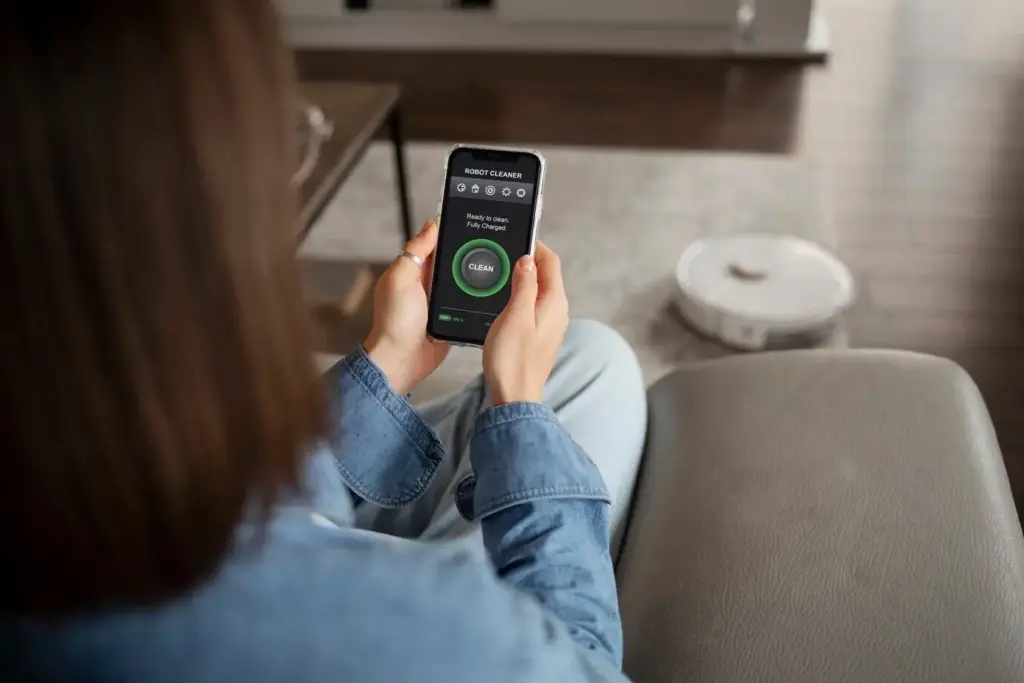
People mix ecosystems, pairing speakers, hubs, and switches from many vendors. Favor portable schemas, capability abstraction, and clear fallbacks. Use standards like Matter to simplify setup and control. Document differences in phrasing, confirmation style, and routine support across platforms. Offer migration guides and export tools so families retain habits even when hardware or assistants inevitably change.

Prototyping, Testing, and Analytics

Test ideas with people before perfecting the stack. Perform quick Wizard-of-Oz sessions, gather real utterances, and iterate on phrasing until it sounds like home. Instrument respectfully, measuring friction and delight, not surveillance. Share your favorite command experiments in the comments, subscribe for field reports, and help us compile a living playbook families can actually trust and enjoy.
Zotevolunova
Privacy Overview

This website uses cookies so that we can provide you with the best user experience possible. Cookie information is stored in your browser and performs functions such as recognising you when you return to our website and helping our team to understand which sections of the website you find most interesting and useful.